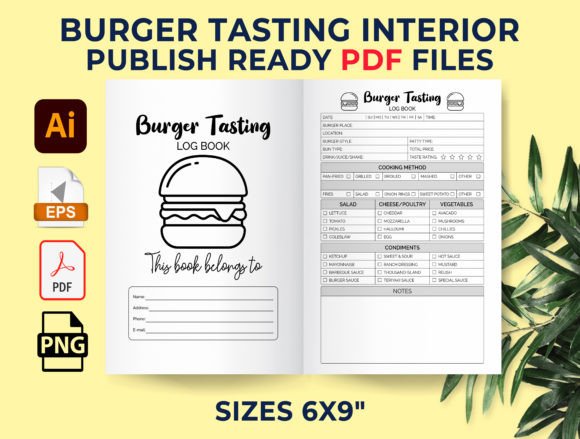
Burger Tasting Log Book
There is something quietly satisfying about capturing a fleeting flavor on paper. A bite of a perfectly charred patty, the snap of a pickle, the unexpected sweetness of a brioche bun—these details slip away quickly. A Burger Tasting Log Book gives those moments a place to live. It’s more than a notebook. It’s a dedicated space to rate, record, compare, and share your burger experiences without relying on a smartphone’s notes app that you’ll never open again.
You might think you’ll remember the one with the smoked gouda and jalapeño relish, but two dozen burgers later, everything blurs. This log’s guided layout nudges you to note specifics that really matter: the beef blend, the bun type, the cooking method, the condiments, the sides, and of course, where you actually ate it. Over time, those pages become a personal flavor map.
Why a Physical Log Still Wins Over a Phone App
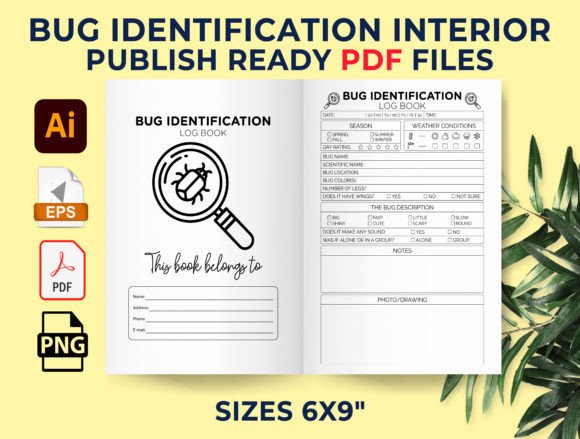
Apps are convenient until you’re standing in a noisy restaurant, typing with greasy fingers while your burger gets cold. A small, 6-by-9-inch book slips into a bag or glove compartment without fuss. No notifications, no battery anxiety. The act of writing by hand slows you down just enough to truly taste. People find they notice more when they know they’ll write about it later—the texture of the sear, the balance of salt, the way the cheese melted into the crevices of the meat.
And sharing becomes richer. Instead of a quick photo, you hand a friend a log they can flip through. Your own notes spark better conversations: “This place in Austin uses a coffee-rubbed patty with a pretzel bun—see my August entry.” The book turns into a conversation piece, a little archive of appetite.
Road Trips and Weekend Wanderings
You stop at a roadside diner with a hand-painted sign promising “World’s Best Burgers.” Six months later, you can’t remember the town or the taste. With this log, you jot down the location, the date, the waitress’s name, and the fact that the patty was hand-formed and the fries were double-fried. Later, when planning another drive, you flip back and plan a detour just to revisit that spot. The log becomes a travel tool, not just a food diary.
The Competitive (But Friendly) Griller
Backyard cookouts can become unofficial burger battles. You try a new blend of short rib and brisket, your neighbor swears by a smashed patty with secret sauce. Instead of declaring a vague winner, you both use the same log book to rate aroma, juiciness, crust, and overall satisfaction. Over a summer, patterns emerge. You discover that the group consistently favors a certain bun-to-patty ratio or a type of pickle. The book quietly crowns a neighborhood champion while keeping the rivalry fun and fact-based.
The Solo Diner Who Craves Meaningful Memories
Eating alone doesn’t mean the experience should vanish. For someone traveling for work or simply enjoying a quiet lunch, the log becomes a ritual. You sit at a counter, order the house special, and fill out a page. Months later, those entries are like a food-centric diary. You remember not only the burger but the conversation you overheard, the weather, the song playing. It turns a quick meal into a moment you actually keep.
Couples and Date Night Chroniclers
Some couples collect wine corks or concert tickets. Others hunt for the perfect burger duo. A single log book can capture both perspectives. One partner prefers classic smash burgers with American cheese; the other seeks out lamb patties with tzatziki and pickled onions. You write ratings independently, then compare. Over dozens of dates, you build a shared language around what you love. The book becomes a relationship artifact, full of inside jokes and sticky notes marking “our spot.”
How Different Kinds of Burger Lovers Use the Same Pages
A Burger Tasting Log Book doesn’t force one approach. Its strength lies in flexibility. The same layout supports wildly different users:
- The Recipe Tinkerer: Tracks homemade creations. Bun hydration, grind size, fat ratio, sear time. Each page is a small experiment log. “Too much panko in the mix, but the miso mayo saved it.”
- The Local Explorer: Maps their city one patty at a time. Neighborhood, parking difficulty, whether the fries are worth the upgrade. A practical guide for when friends visit.
- The Vibe Seeker: Rates atmosphere just as much as food. Lighting, music, crowd, service. Their notes read like mini Yelp reviews but without the pressure of an audience.
- The Nostalgia Chaser: Visits old-school drive-ins and remembers childhood orders. Writes about the feeling of the red plastic basket, the way the bun was steamed. The log is a comfort archive.
One user might fill each page with dense, almost academic observations about smoke ring penetration and beef sourcing. Another might use it mostly for a 1-5 star scale and a quick “yum” or “meh.” The book doesn’t judge. It simply offers the structure, including generous space for notes, so you can adapt it to your personality.
From First Bite to Flavor Memory: Getting the Details Down
The layout guides you without feeling like homework. You’ll find fields for the basics—restaurant name, date, burger name—then it digs deeper. Toppings get their own line, so you’re not trying to remember whether it was leaf lettuce or shredded, raw onion or grilled. Beef type matters: grass-fed grain-finished, dry-aged blend, Wagyu, brisket-heavy. The bun choice—potato, brioche, gluten-free, lettuce wrap—changes the whole experience. Cooking method (griddle, grill, smash, thick cut) and doneness (medium-rare, smash-crispy edges) complete the picture. Condiments and sides have dedicated space too, so you capture the full plate.
Because it’s undated and flexible, you can use the page-per-day format loosely. Some people log only the memorable burgers, maybe twice a month. Others go on a streak, documenting every Tuesday burger joint test. You can skip pages or fill them back-to-back. The book adapts to your pace, not the other way around.
Food Bloggers and Social Media Creators
If you post reviews or run a burger-focused Instagram account, your credibility hinges on recall. Followers expect details: “The fat rendered perfectly, but the bun disintegrated halfway through.” Flipping through your log gives you months of content ideas, accurate comparisons, and honest ratings you can reference on camera without scrambling. One page becomes a bulletproof review skeleton. You can even show the physical log in your videos as proof of your “research.”
Restaurant Research and Menu Development
Chefs and line cooks use these logs as quiet competitive analysis. Trying the new pop-up across town? Record what works and what doesn’t. Notice a trend of places using miso caramelized onions? Jot it down. Over time, the log informs their own specials, helping them spot gaps in the local market. A chef might keep the book in their station, referring back before a menu change, letting thousands of eating miles guide a single dish.
Event Planners and Catering Tastings
Planning a wedding, a corporate retreat, or a festival with food trucks? Instead of relying on memory after multiple tastings, a burger log turns subjective reactions into shareable data. Clients and teams can compare notes, agree on a slider style, and avoid the dreaded “I thought we picked the other one” phone call. The log keeps the decision grounded in actual recorded impressions rather than whoever shouted loudest during the tasting.
Thoughtful Considerations Before You Start Filling Pages
An analog log has undeniable charm, but it’s worth acknowledging its nature. The book is undated and unnumbered beyond 120 pages. If you lose it, you lose the stories. Some people snap a photo of each completed page as a backup. Writing in the moment requires a pen, and yes, you might get a little grease on the edge of the paper. That’s part of the artifact’s soul, but if you’re a perfectionist, it could bug you. The guided fields are helpful, but they might feel limiting if you want to sketch the burger or attach a photo—though the notes section offers freeform space for exactly that.
The log is designed for simplicity, so don’t expect calorie counters or nutritional breakdowns. It’s about sensory memory, not diet tracking. If you’re the type who wants to scan a QR code and upload a photo, this isn’t that. But if you miss the tactile joy of a well-made notebook that grows more valuable with each entry, this fits neatly into your routine.
Making the Log Your Own Without Overcomplicating It
Some users add a tiny color code: a red dot for chain burgers, green for independent spots, blue for home-grilled. Others tape a receipt to the back of the page. A few write a one-sentence story: “Ate this while a thunderstorm rolled in, the garage door was half open, and it felt like a scene from a movie.” The log absorbs these quirks and becomes more personal over time.
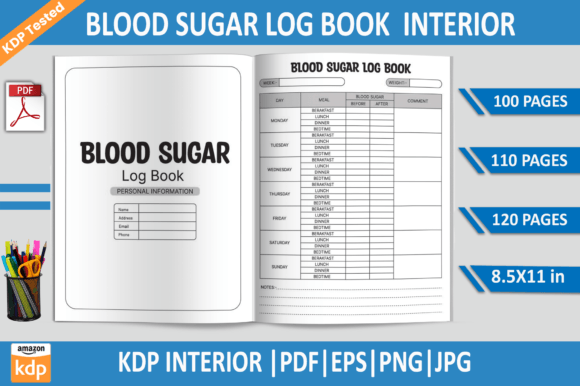
The high-resolution, 300 DPI print quality means even small handwriting stays crisp, and because the PDF is ready for KDP pubbing, the text doesn’t bleed through. That’s a technical detail that matters when you’re flipping through old pages with a glass of iced tea nearby. The book holds up to use—not precious, but sturdy.
Whether you’re chasing the perfect smash crust, documenting a cross-country burger pilgrimage, or simply wanting to remember a good Tuesday lunch, a Burger Tasting Log Book gives you a low-pressure way to turn eating into something you carry forward. Not as a checklist, but as a conversation with your own taste buds, one page at a time.